Optimal Timing for Warehouse Floor Cleaning
Warehouse floor cleanings are essential for maintaining safety, efficiency, and cleanliness in industrial environments. The optimal timing for these cleanings depends on operational schedules, workload fluctuations, and environmental conditions. Proper timing ensures minimal disruption to daily activities while maximizing cleanliness and safety standards.
Regular cleaning during off-peak hours helps maintain a safe environment without interrupting workflow.
Cleaning after shifts or high-traffic periods ensures floors are free of debris and spills accumulated during operations.
Performing cleanings before shifts start prepares the space for a safe and efficient workday.
Cleaning floors following maintenance prevents dust and debris buildup and maintains safety standards.

A crew performing floor cleaning during off-peak hours.
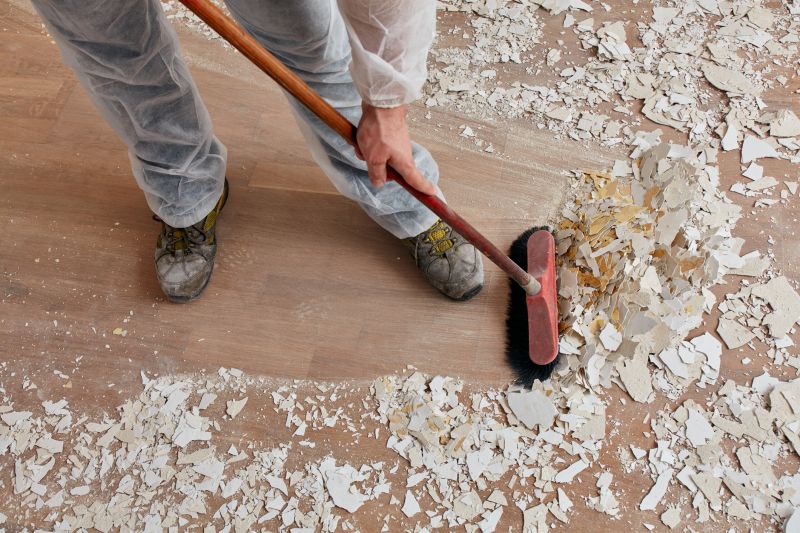
Cleaning crew removing debris after a busy shift.

Preparing floors for the upcoming workday to ensure safety.
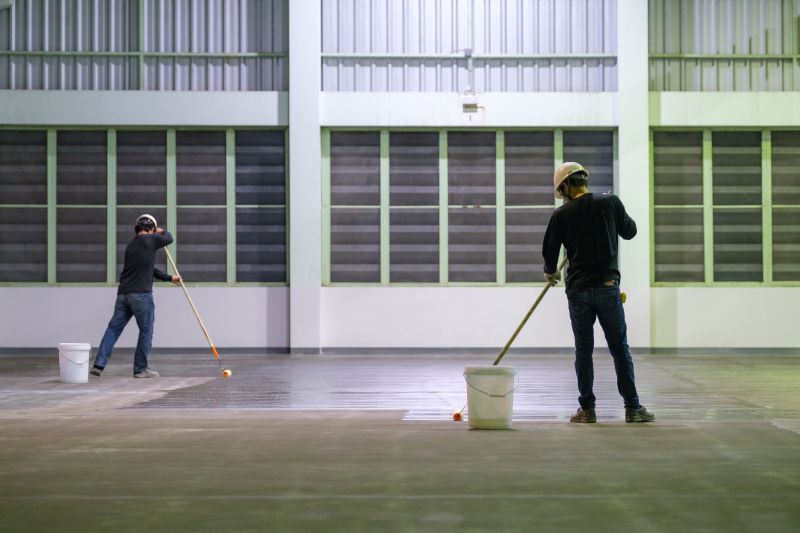
Ways to make Warehouse Floor Cleanings work in tight or awkward layouts.
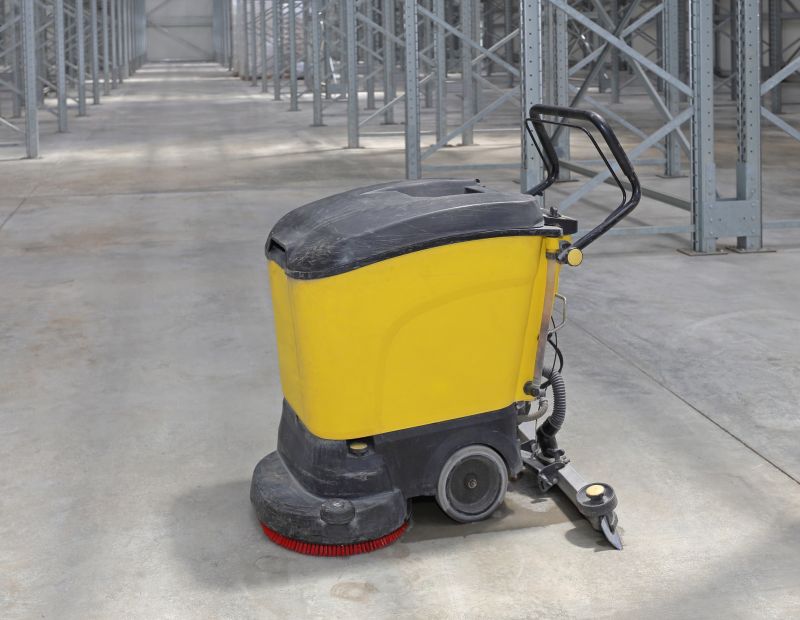
Popular materials for Warehouse Floor Cleanings and why they hold up over time.
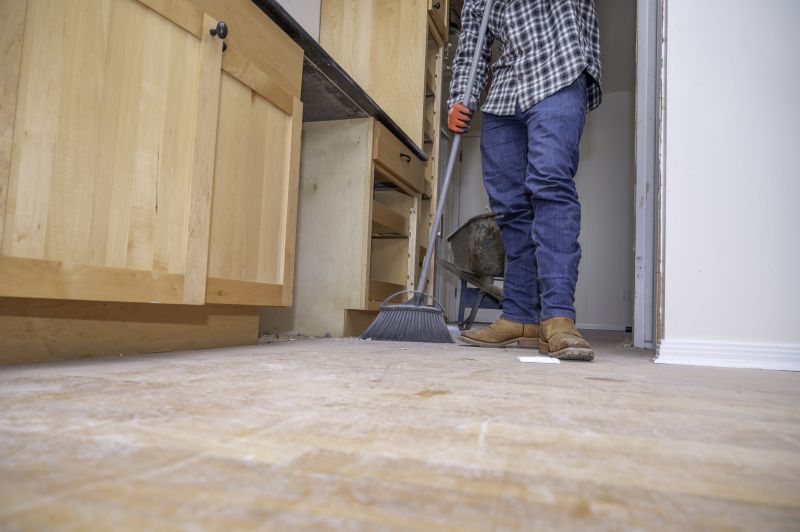
Simple add-ons that improve Warehouse Floor Cleanings without blowing the budget.
| Timing Consideration | Best Practices |
|---|---|
| Off-peak hours | Schedule cleaning during nights or weekends to avoid operational disruption. |
| Post-operations | Clean floors immediately after shifts to remove debris and spills. |
| Pre-operations | Perform cleaning early in the day to prepare for incoming activity. |
| Weather impacts | Schedule after bad weather to prevent dirt and moisture ingress. |
| Maintenance periods | Coordinate with maintenance to ensure floors are clean post-repair or upgrade. |
Warehouse floor cleaning frequency and timing are critical for operational safety and efficiency. Regular cleaning reduces the risk of accidents caused by debris or spills, which can lead to injuries or equipment damage. Statistics indicate that properly maintained floors can lower slip-and-fall incidents by up to 50%. Scheduling cleanings during low-traffic periods minimizes workflow disruption while maintaining high cleanliness standards.
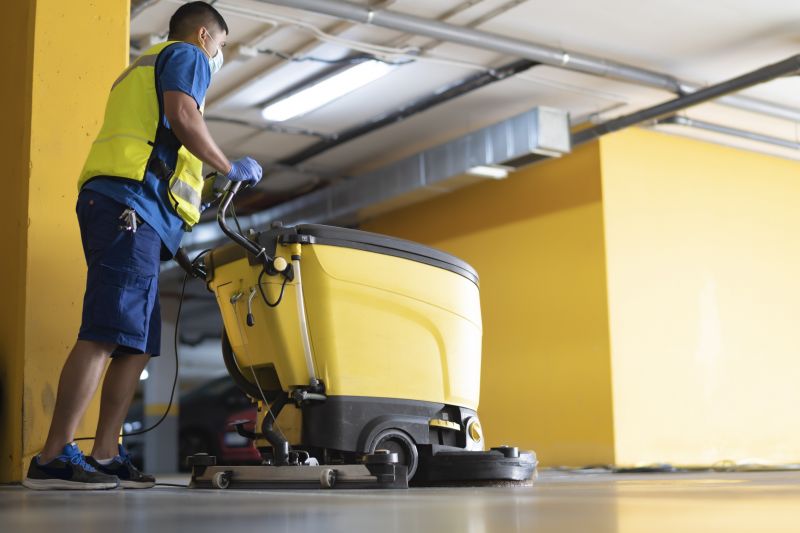
Automated scrubbers cleaning warehouse floors efficiently.
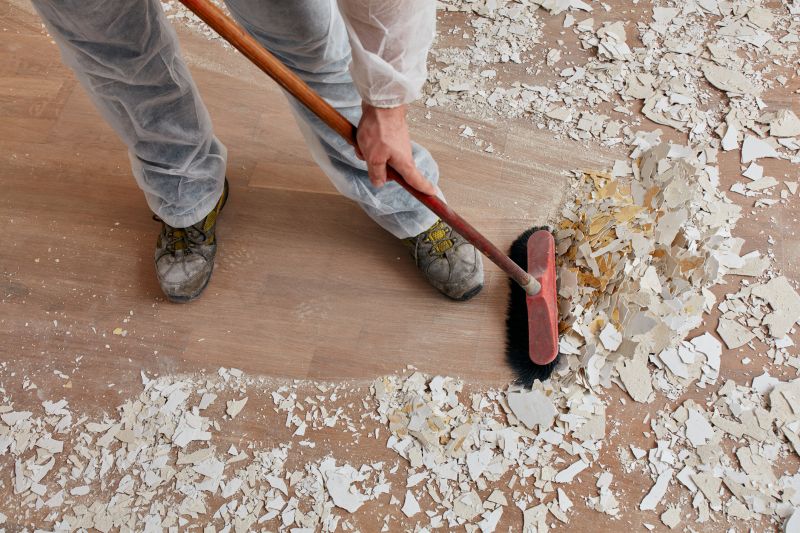
Workers removing debris after operational hours.
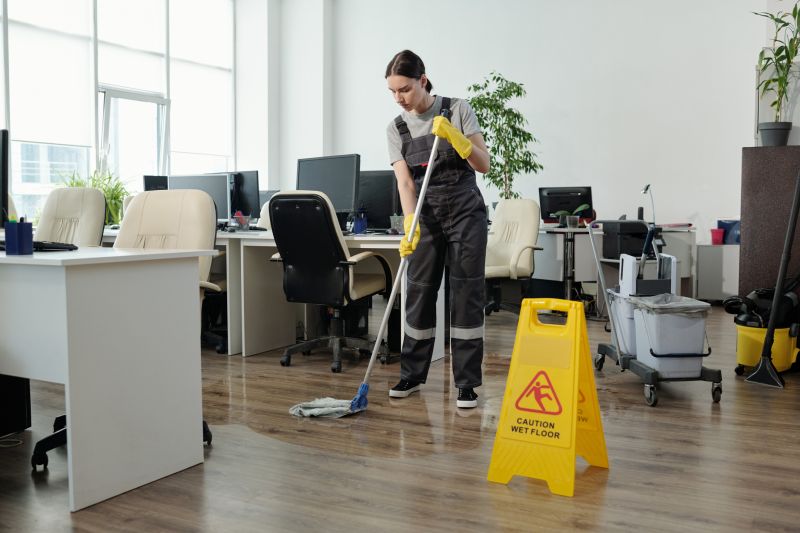
Using wet mops for deep cleaning during scheduled times.
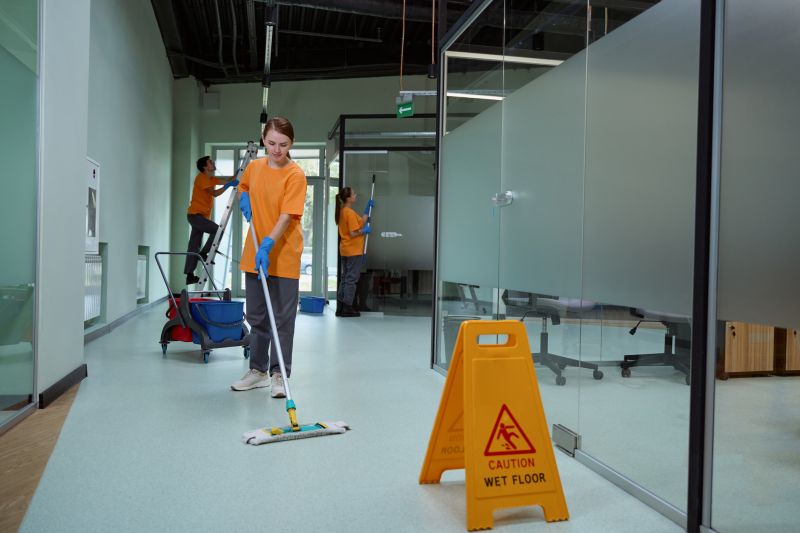
Ensuring floors are clean and safe before resuming work.
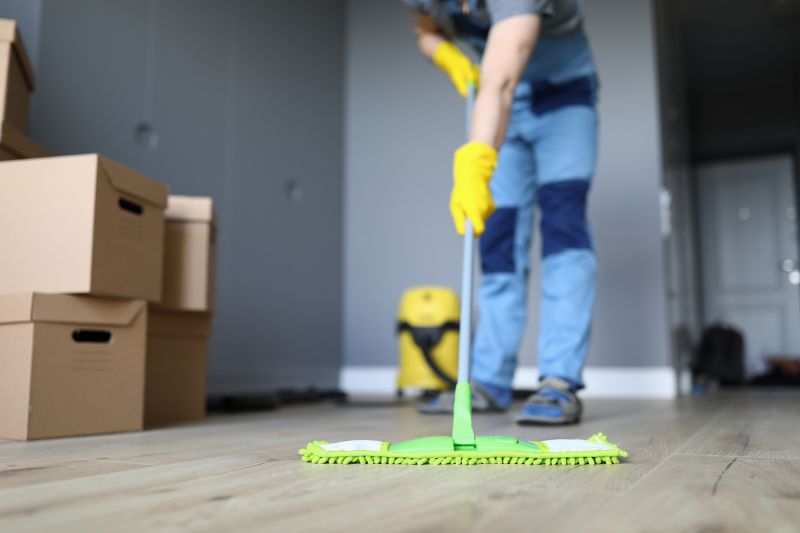
High-end options that actually feel worth it for Warehouse Floor Cleanings.
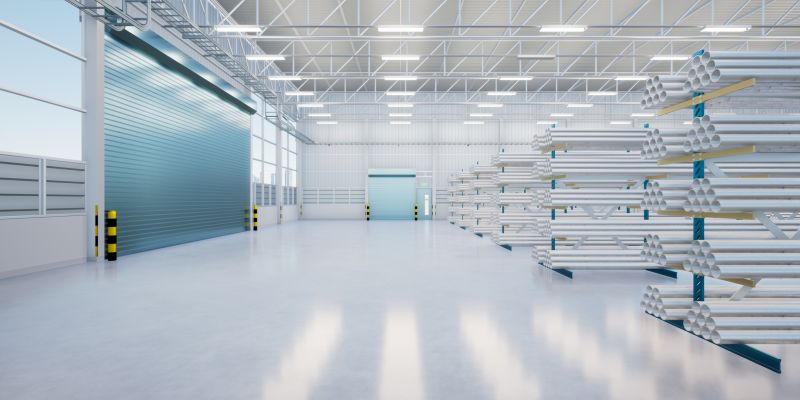
Finishes and colors that play nicely with Warehouse Floor Cleanings.

Little measurements that prevent headaches on Warehouse Floor Cleanings day.

A 60-second routine that keeps Warehouse Floor Cleanings looking new.
Interested in optimizing warehouse floor cleaning schedules? Filling out the contact form can provide tailored solutions to meet specific operational requirements and ensure a clean, safe environment for every shift.